Concepts and Categorization Psychology Explained

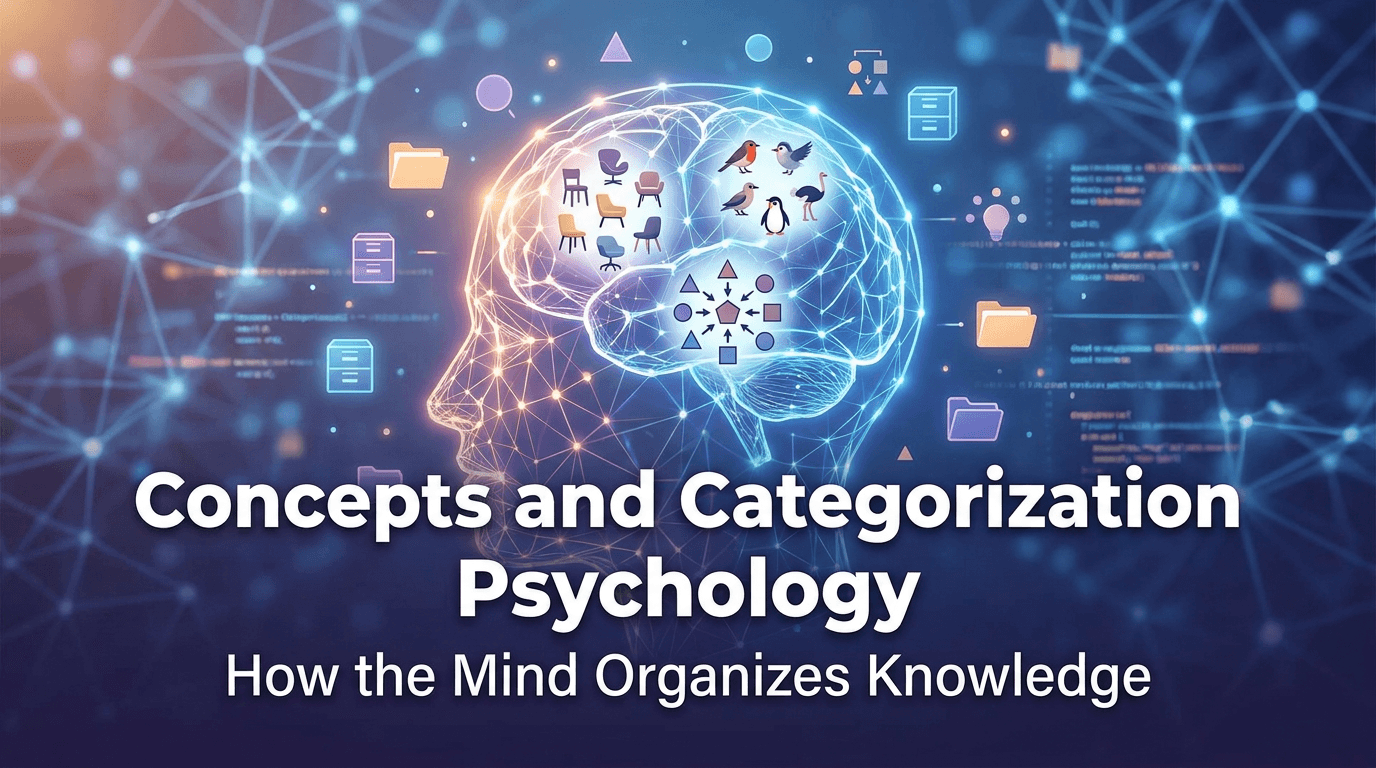
Concepts and Categorization Psychology: How the Mind Organizes Knowledge thumbnail

You can recognize a chair you have never seen before, treat a robin and a penguin as birds despite obvious differences, and understand that a coffee cup belongs with other cups even when its shape, color, and material are unusual. These ordinary judgments depend on a powerful cognitive ability: organizing experience into concepts and categories. … Read more

Reasoning vs Decision Making: Reaching a Conclusion vs Choosing an Option

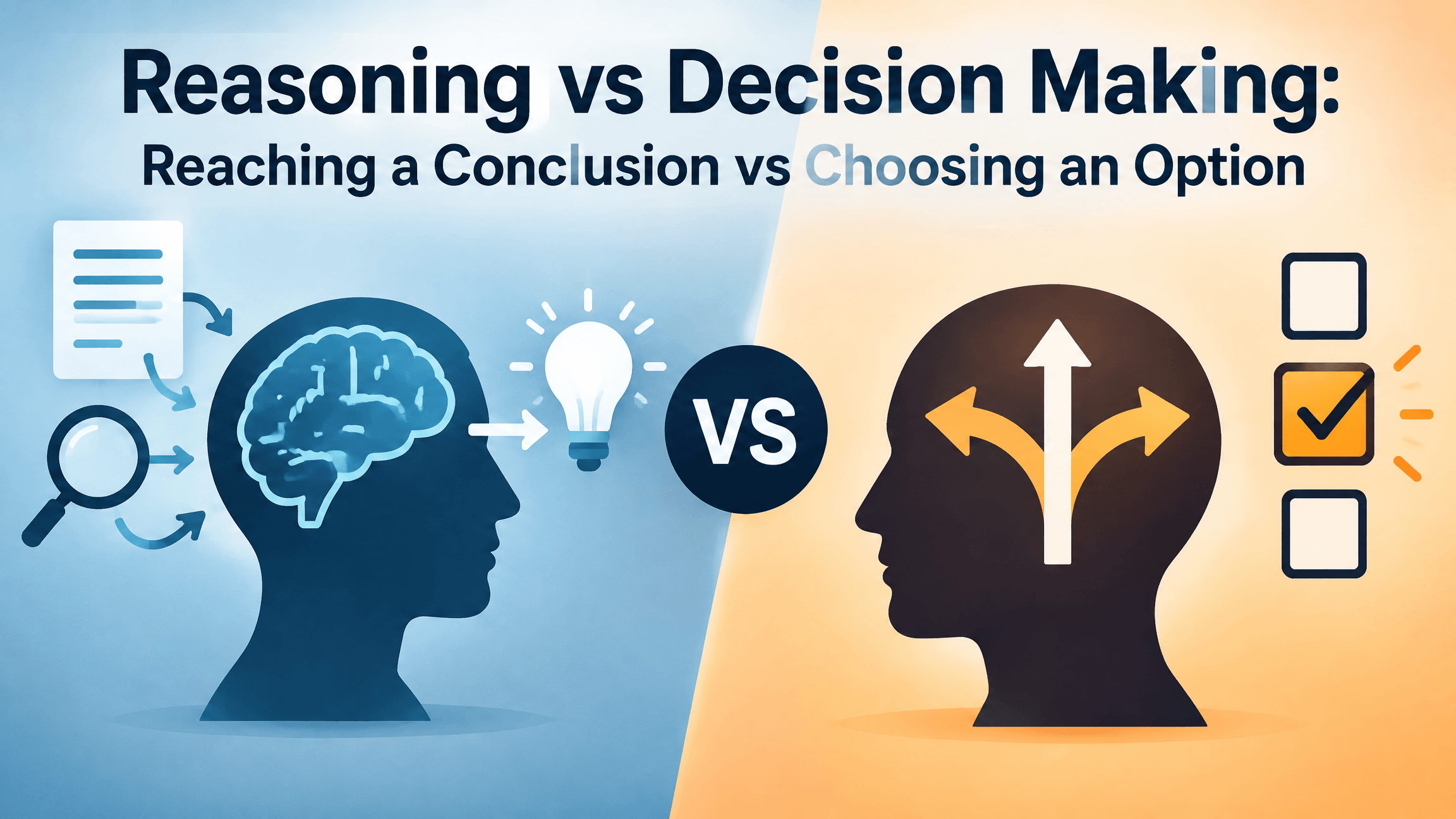
Reasoning vs Decision Making: Reaching a Conclusion vs Choosing an Option thumbnail

Reasoning and decision making often happen close together, which is why they are easy to treat as the same thing. You may reason about what the evidence supports and then make a choice based on that conclusion. But the two processes answer different questions and produce different kinds of outputs. Reasoning asks what follows from … Read more

Cognitive Reflection Psychology: Why the First Answer Is Not Always the Best One

Cognitive Reflection Psychology: Why the First Answer Is Not Always the Best One thumbnail

Some reasoning problems produce an answer almost immediately. The answer feels obvious, simple, and complete, so there seems to be little reason to look again. Yet in certain problems, that first response is exactly where the difficulty begins. The mind has found a compelling answer, but not necessarily the best-supported one. Cognitive reflection concerns what … Read more

Belief Bias Psychology: When Believability Feels Like Logic

Belief Bias Psychology: When Believability Feels Like Logic thumbnail

A conclusion can sound obviously true and still fail to follow from the premises. Another conclusion can sound absurd while being logically valid. When people judge an argument partly by whether its conclusion fits what they already believe, rather than only by whether the conclusion follows, psychologists call this belief bias. Belief bias is most … Read more

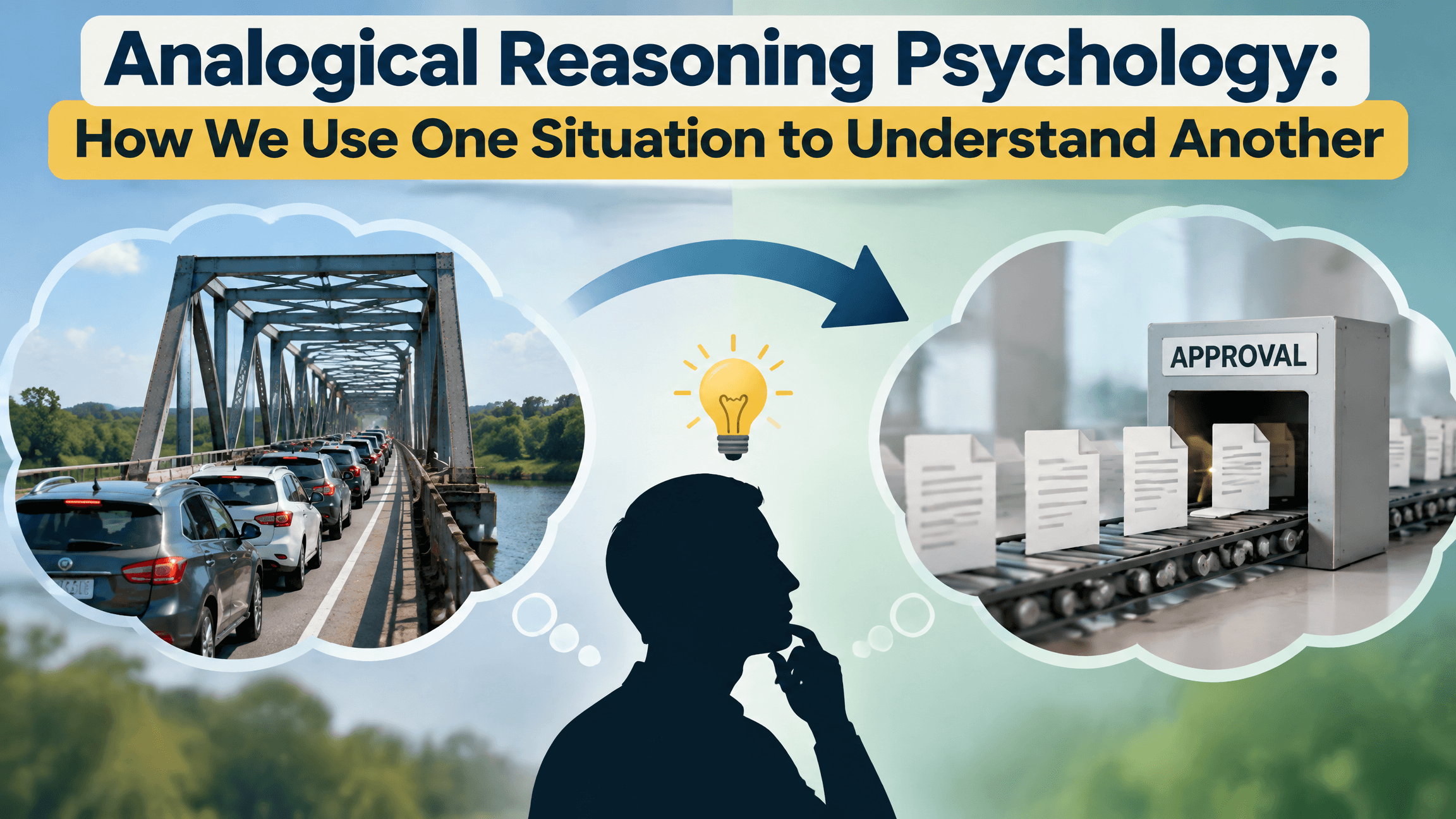
Analogical Reasoning Psychology: How We Use One Situation to Understand Another

Analogical Reasoning Psychology: How We Use One Situation to Understand Another thumbnail

When people face something unfamiliar, they often understand it by comparing it with something they already know. A new computer system may be explained as working like a library, a traffic bottleneck may be compared with water moving through a narrow pipe, or a difficult project may remind someone of a different project that succeeded … Read more

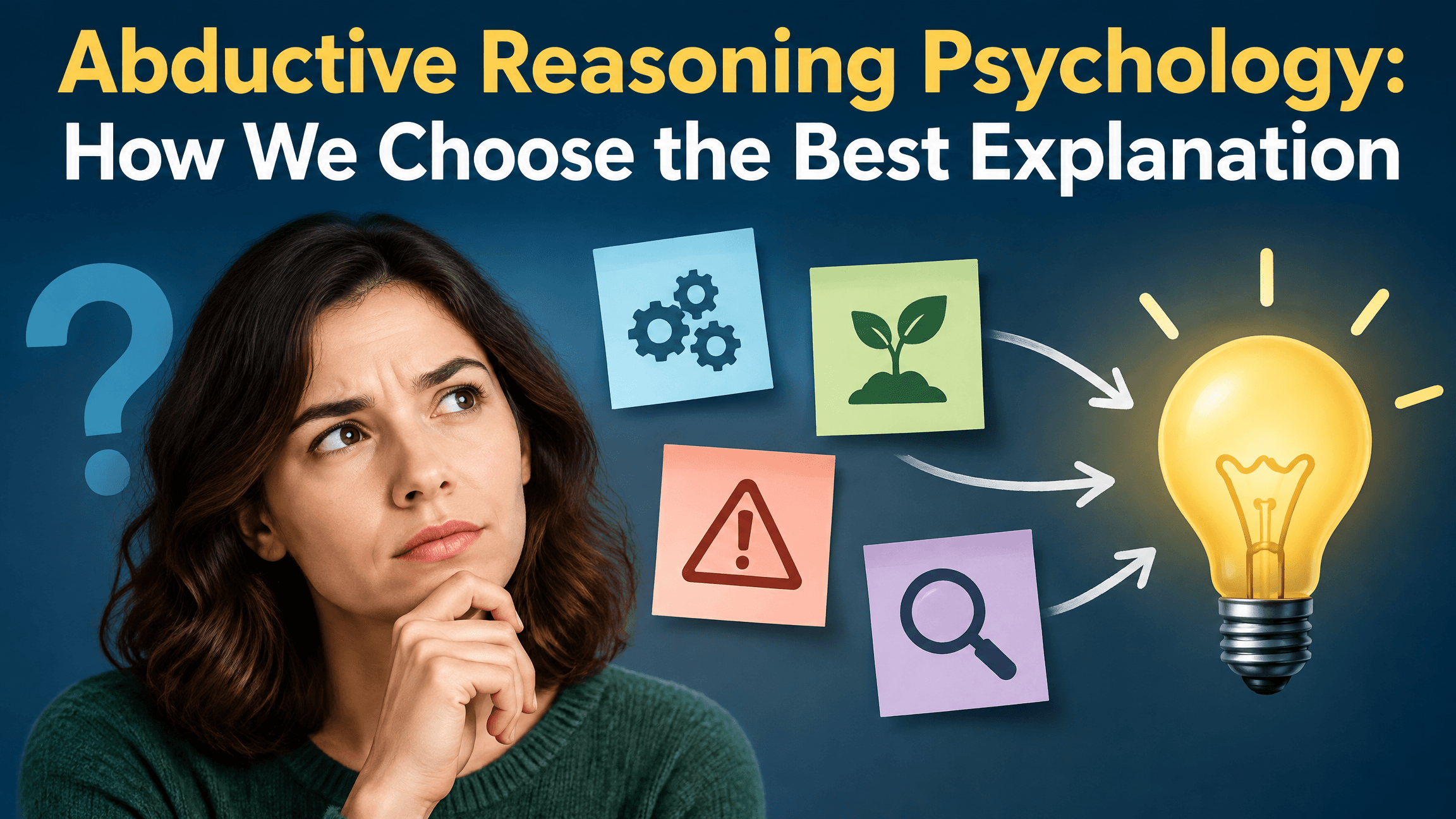
Abductive Reasoning Psychology: How We Choose the Best Explanation

Abductive Reasoning Psychology: How We Choose the Best Explanation thumbnail

A device suddenly stops working, a plant begins to wilt, or a project produces an unexpected result. You usually do not have complete information, yet your mind starts generating possible explanations. One possibility may fit the evidence better than the others, so you treat it as the best current explanation and decide what to check … Read more